Aryna Sabalenka Shares Intriguing WTA Suggestion, Taking Her Boyfriend Georgios into Consideration

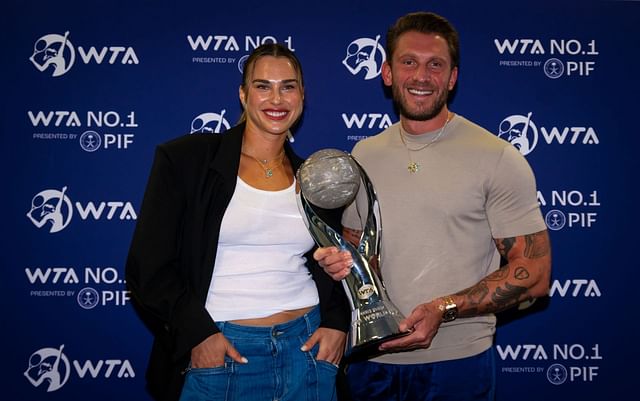
Aryna Sabalenka, one of the top players on the WTA tour, has made headlines not only for her powerful performances on the court but also for her insightful comments off it. Recently, the Belarusian tennis star shared an intriguing suggestion regarding the future of women’s tennis, one that appears to take into account her relationship with boyfriend Georgios, adding a personal touch to her perspective.
Sabalenka, who has been making waves in the tennis world with her aggressive style of play, is known for being open and candid about her thoughts on the sport and her career. Her latest comments hint at a potential shift in the way the WTA could evolve, specifically focusing on how players’ personal lives and relationships, such as hers with Georgios, could be integrated into their professional careers.
A Personal Perspective on Tennis
In a recent interview, Sabalenka shared her views on the demands of the WTA schedule and how relationships can influence a player’s performance and overall well-being. “It’s a very intense lifestyle, and balancing a relationship with professional tennis is not always easy,” Sabalenka said, speaking candidly about the challenges she faces while traveling the world for tournaments.
Her boyfriend, Georgios, who has been a supportive figure in her life, was mentioned as an example of how significant personal connections can influence a player’s experience on tour. “Georgios has been great in helping me maintain balance, reminding me to enjoy life beyond tennis,” Sabalenka continued, emphasizing the importance of mental health and support systems for athletes.
The Role of Relationships in Sports
Sabalenka’s comments bring up an important topic: the role of personal relationships in the lives of elite athletes. While professional tennis players are often seen as incredibly focused on their sport, the reality is that relationships and personal support systems are crucial in helping players navigate the ups and downs of their careers. Having someone to lean on can make a significant difference, not just for mental health but for the overall longevity of an athlete’s career.
In Sabalenka’s case, Georgios seems to provide that emotional anchor. The couple’s relationship has been largely private, but Sabalenka’s openness about how Georgios influences her outlook on both life and tennis shows that players’ personal lives can and should be acknowledged as part of their professional journeys.
A Shift in WTA Perspective?
Sabalenka’s suggestion might imply that the WTA and other tennis organizations could consider more ways to support players in balancing their personal and professional lives. While the tennis world has made strides in promoting mental health awareness, there is still room for improvement when it comes to providing support for the personal well-being of athletes.
Perhaps, as Sabalenka suggests, integrating more discussions around athletes’ relationships, their emotional support systems, and their personal growth could lead to a healthier and more sustainable professional tennis environment. After all, the pressure to perform at the highest level week after week can take a toll on an athlete, and having a strong support system could be the key to managing that pressure.
The Importance of Mental Health in Tennis
Tennis, especially at the elite level, is a high-pressure sport, and the mental toll it can take on players is immense. Sabalenka’s insight into the importance of mental health and emotional well-being resonates with many professional athletes. Acknowledging and discussing the importance of personal relationships, like her own with Georgios, can help normalize the conversation around mental health in sports.
Sabalenka has long been an advocate for maintaining a healthy mindset and taking care of oneself beyond the court. In a sport where players are often expected to be strong both physically and mentally, Sabalenka’s focus on the importance of balance shows a more holistic approach to success in tennis.
Conclusion
Aryna Sabalenka’s recent comments about the role of relationships in professional tennis provide an interesting and refreshing perspective on the pressures faced by athletes. By acknowledging her relationship with Georgios and how it influences her life and career, Sabalenka brings attention to the importance of personal support systems in the high-stakes world of professional sports.
Her suggestion that the WTA and other tennis organizations could do more to support players in balancing their personal and professional lives may be a step toward a more balanced and mentally healthy future for women in tennis. As the sport continues to evolve, it is clear that the mental and emotional well-being of players must be prioritized alongside their physical performance. With figures like Sabalenka leading the way, the conversation around mental health and personal support in tennis is likely to become more open and accepted, benefiting the next generation of players.