Andy Murray Talks Feminism, Family, and Personal Growth: ‘I Don’t Need Tennis to Be Happy Anymore’

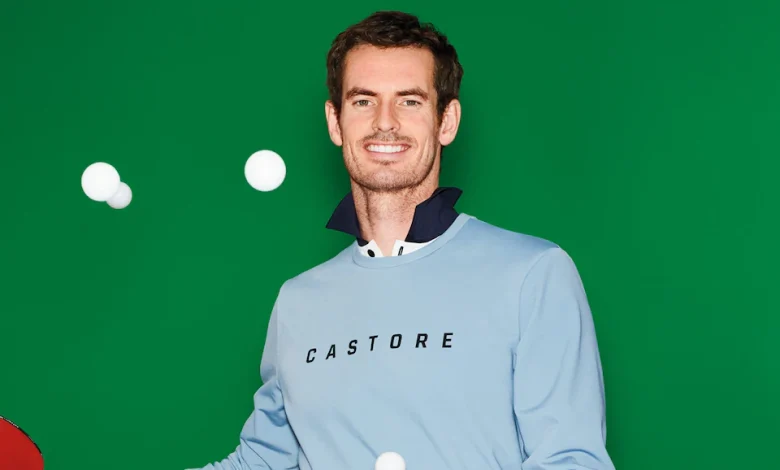
Andy Murray, one of the most accomplished tennis players of his generation, has recently opened up about his evolving perspective on life, both on and off the court. Known for his resilience and mental toughness, the three-time Grand Slam champion has faced numerous challenges throughout his career—most notably his battles with injuries. Yet, in a candid interview, Murray shared how these obstacles, along with his growing commitment to feminism and his family, have shaped his happiness in ways beyond the sport.
Murray, who has long been an advocate for gender equality in sports, reflects on the profound impact that his personal life and his beliefs have had on his well-being. Despite his impressive achievements on the tennis court, Murray reveals that his sense of fulfillment no longer hinges on his performance or success in the game. “I don’t need tennis to be happy anymore,” he said, emphasizing how his life has grown to be about much more than the sport that made him famous.
The Journey Beyond Tennis
Throughout his career, Murray has faced setbacks that many athletes would find overwhelming. From a series of hip surgeries that almost ended his career to constant media scrutiny, it seemed like the sport was determined to push him to his limits. Yet, each time he encountered an obstacle, he found a way to fight back.
But in recent years, Murray has found a new kind of strength in the people closest to him. His family, especially his wife Kim Sears and their children, have been a source of stability and happiness, giving him the space to reassess his priorities. “Family is everything to me,” he shares, explaining that the support of his loved ones has allowed him to focus on other passions beyond tennis.
Feminism: A Cause Close to His Heart
Murray has also used his platform to champion gender equality, speaking out against sexism in tennis and advocating for equal pay. He’s been vocal about how women athletes are often underrepresented and undervalued, and he has been a staunch ally to his female colleagues on the circuit. From his efforts to ensure female players receive equal prize money at Wimbledon to his public endorsement of feminist ideals, Murray has carved out a space for himself as one of the most progressive voices in the sport.
As a father of two daughters, Murray acknowledges that his perspective on feminism has become even more personal. “I want my daughters to grow up in a world where they’re treated equally, with the same opportunities and respect as anyone else,” he said. This commitment has made him even more dedicated to challenging outdated views and continuing the fight for equality, both within tennis and in society at large.
Finding Happiness Off the Court
While tennis will always remain a part of Andy Murray’s identity, he has come to realize that his happiness is no longer defined by the sport. “There was a time when I thought that winning titles and performing at my best were the only things that would make me feel complete,” Murray reflected. “But as I’ve grown older and experienced more, I’ve come to understand that happiness comes from a much broader sense of fulfillment.”
In addition to spending more time with his family, Murray has taken on new challenges outside of tennis, focusing on his personal development and exploring other interests. Whether it’s his role as a coach, his involvement in charity work, or his advocacy for social causes, Murray has found peace in knowing that there is life beyond the tennis court.
A New Chapter
For Andy Murray, the journey of rediscovering his happiness is a testament to his resilience—not just as an athlete, but as a person. While tennis will always hold a special place in his heart, he is now more focused on what truly matters: family, equality, and personal growth.
As he continues to battle on the court and fight for the causes that are important to him, one thing is clear—Andy Murray has found a deeper sense of purpose, and he doesn’t need tennis to be happy anymore.